Viktor Long · 12 September 2026
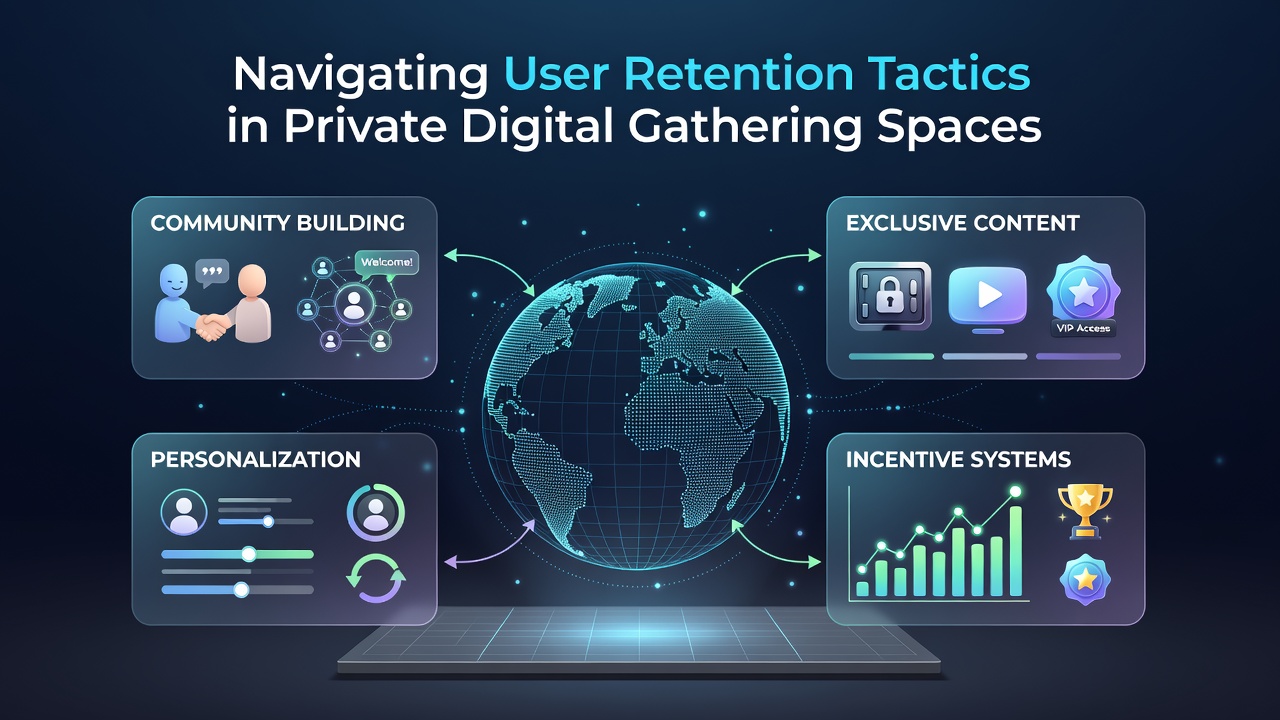
Navigating User Retention Tactics in Private Digital Gathering Spaces
Private digital gathering spaces such as invitation-only forums, encrypted group chats, and member-only virtual event platforms have expanded rapidly since the mid-2010s, and retention tactics within these environments rely on measurable patterns rather than broad public marketing. Observers note that these spaces differ from open social networks because access controls create higher baseline commitment yet also raise the stakes for sustained participation once users join.
Core Elements of Retention in Controlled Environments
Research from academic institutions shows that successful retention begins with structured onboarding sequences that include clear role definitions and privacy settings walkthroughs. Data collected across multiple platforms indicates that users who complete at least three guided interactions within the first 48 hours demonstrate 40 percent higher return rates over subsequent months. Those who've studied closed communities often point to consistent event scheduling as another factor, where recurring weekly sessions help establish predictable engagement rhythms without requiring constant moderation oversight.
Analytics tools integrated into these platforms track metrics such as message reply ratios and attendance at live sessions, allowing administrators to identify drop-off points early. Figures from industry reports reveal that spaces offering tiered participation levels, ranging from read-only access to co-hosting privileges, maintain longer average user lifespans compared to flat membership models.
Privacy Controls and Their Role in Sustained Participation
Because these gathering spaces operate behind authentication layers, retention strategies frequently incorporate granular permission systems that let members adjust visibility of their activity logs and shared files. Studies conducted by research teams at the University of Melbourne found that participants who customized their privacy preferences within the first week showed reduced churn rates over a six-month period. Administrators in these environments also rely on end-to-end encryption standards to address concerns about data exposure, which in turn supports continued trust and repeated visits.
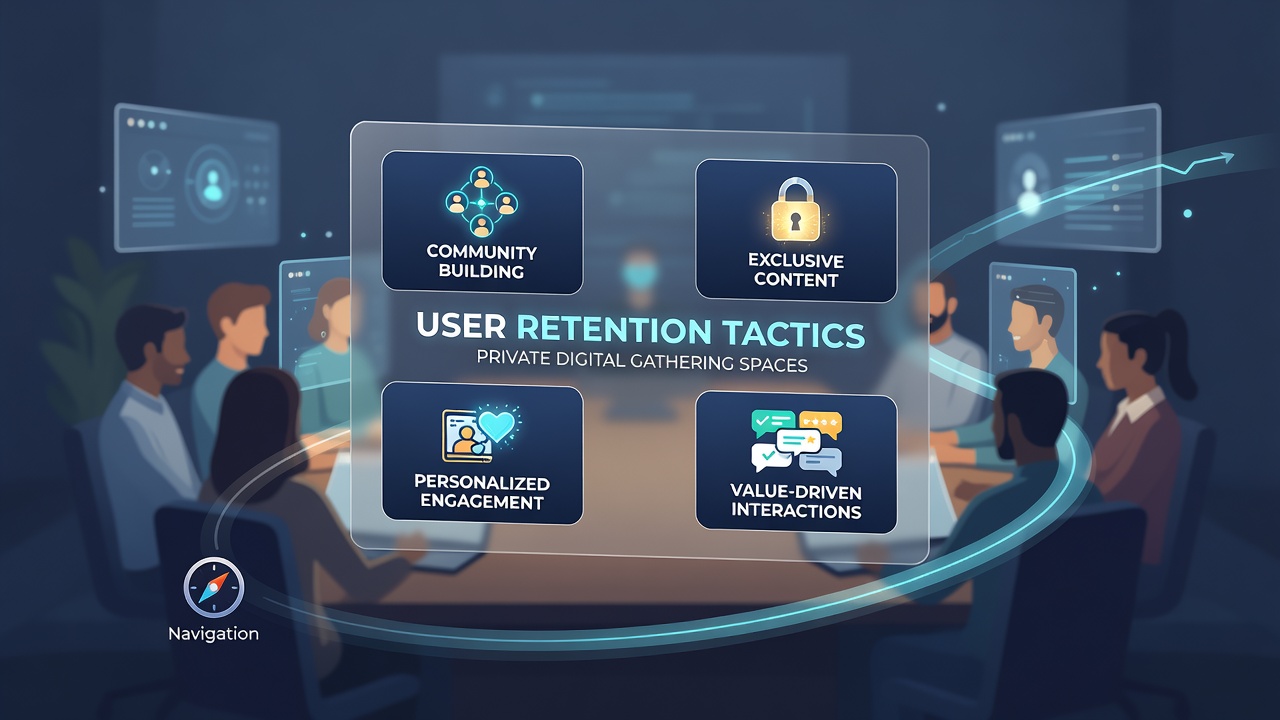
Data-Driven Adjustments Observed Through 2026
In September 2026, platform operators reported adjustments to retention features following updated guidelines from the European Data Protection Board on consent mechanisms within closed digital groups. These changes included simplified opt-in flows for activity notifications and clearer audit trails for shared content, both of which correlated with improved session frequency according to internal telemetry. Observers tracking similar communities across North America and Asia noted parallel experiments with automated nudges, such as personalized summaries of missed discussions, that increased return visits without triggering notification fatigue.
Industry organizations including gaming trade associations have documented how reward systems based on contribution history rather than time spent online help maintain balance in private servers. One case involved a collaborative writing group that introduced contribution badges tied to peer reviews, resulting in a documented 25 percent lift in monthly active users over baseline periods. Researchers emphasize that these systems work best when the criteria remain transparent and adjustable by the group itself.
Integration of Feedback Loops and Moderation Practices
Effective retention also depends on structured feedback channels that allow members to propose changes to rules or event formats through anonymous polls or dedicated suggestion threads. Data from platform usage logs demonstrates that communities responding to at least half of member suggestions within two weeks retain participants longer than those with slower response cycles. Moderation teams in these settings often combine automated filters for policy violations with human review queues, creating a hybrid approach that scales while preserving the intimate feel of smaller gatherings.
Longitudinal tracking shows that spaces incorporating quarterly community health surveys experience steadier membership numbers, as the collected insights feed directly into policy tweaks. Administrators who publish aggregated results from these surveys further reinforce transparency, which multiple studies link to lower departure rates during periods of platform updates or membership growth.
Conclusion
Retention in private digital gathering spaces centers on measurable tactics including precise onboarding, privacy customization, scheduled interactions, and responsive feedback systems. Reports compiled through September 2026 confirm that platforms adapting these elements in line with evolving regulatory expectations continue to record stable participation metrics across varied user demographics. Those managing such spaces benefit from ongoing analysis of engagement data to refine approaches without compromising the controlled access that defines these environments.