Viktor Long · 26 September 2026
The Influence of Ambient Design Cues on Participation Levels in Secluded Virtual Meeting Environments
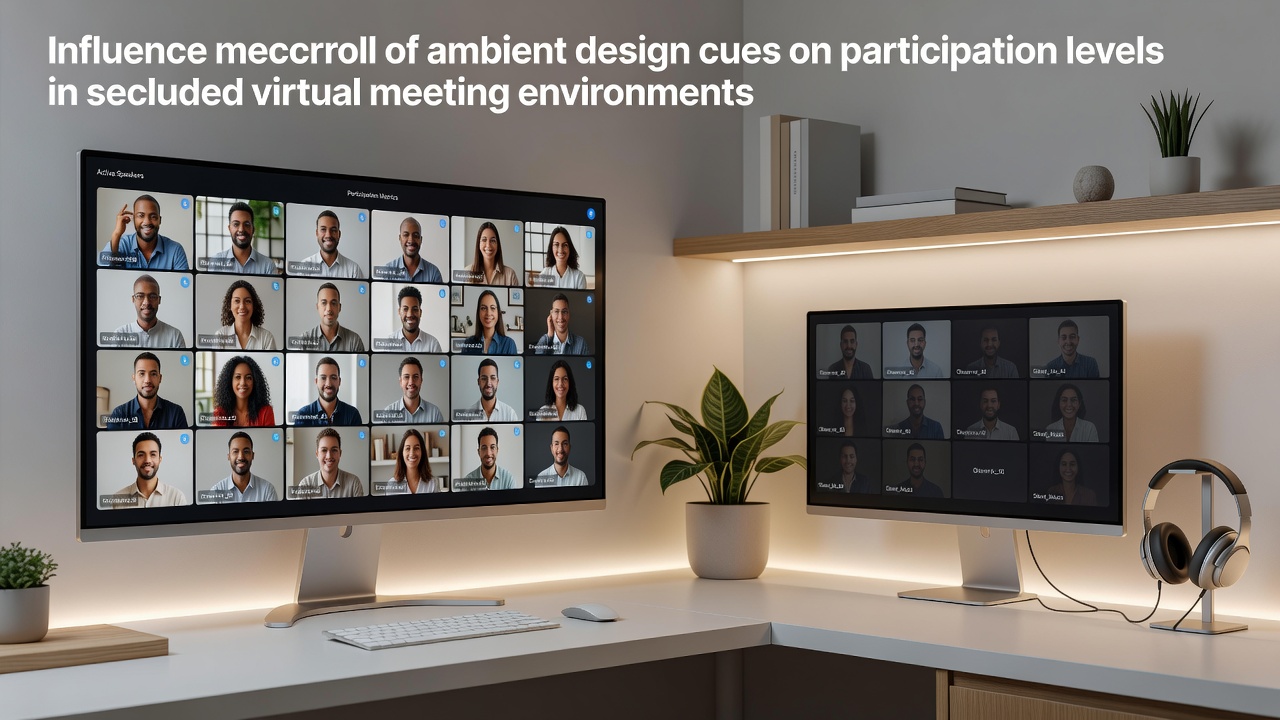
Ambient design cues shape how participants interact in secluded virtual meeting environments where private digital spaces host focused discussions and collaborative sessions, and these cues include visual elements such as background textures, lighting filters, and spatial arrangements along with auditory components like subtle soundscapes and echo adjustments that together influence speaking frequency, camera usage rates, and overall engagement metrics across various platforms.
Defining Ambient Design Cues in Private Virtual Contexts
Secluded virtual meeting environments differ from open public forums because they limit access to invited users only and create controlled atmospheres where design choices affect behavior directly, researchers at institutions across North America and Europe have documented how elements like warm color palettes encourage longer speaking turns while cooler tones correlate with shorter contributions and more frequent text-based inputs, data collected from enterprise platforms shows these patterns hold steady when group sizes remain under fifteen people.
Studies conducted in 2025 and early 2026 reveal that background complexity plays a measurable role, simple gradient backdrops tend to support higher participation levels compared to detailed virtual scenes that can distract attention, while spatial audio adjustments that simulate proximity increase instances of direct address among attendees, and these findings come from controlled experiments where participation was tracked through time-stamped logs and post-session surveys administered by independent academic teams.
Visual and Auditory Elements Driving Interaction
Lighting variations stand out as one of the most studied factors because adjustable virtual illumination can mimic natural daylight cycles or create focused spot effects that draw eyes toward active speakers, evidence from multiple trials indicates participants contribute more verbal input when lighting remains consistent at mid-level brightness rather than fluctuating dramatically, and similar patterns appear when sound design incorporates low-volume ambient tones that reduce perceived isolation without overwhelming conversation.
Color temperature adjustments also produce measurable shifts, warmer hues around 3000K associate with increased willingness to share personal updates whereas neutral whites around 5000K align with task-oriented exchanges that feature more frequent hand raises and screen shares, observers tracking thousands of sessions across distributed teams have noted these trends persist regardless of participant age groups when other variables stay controlled.
Research Findings and Participation Metrics
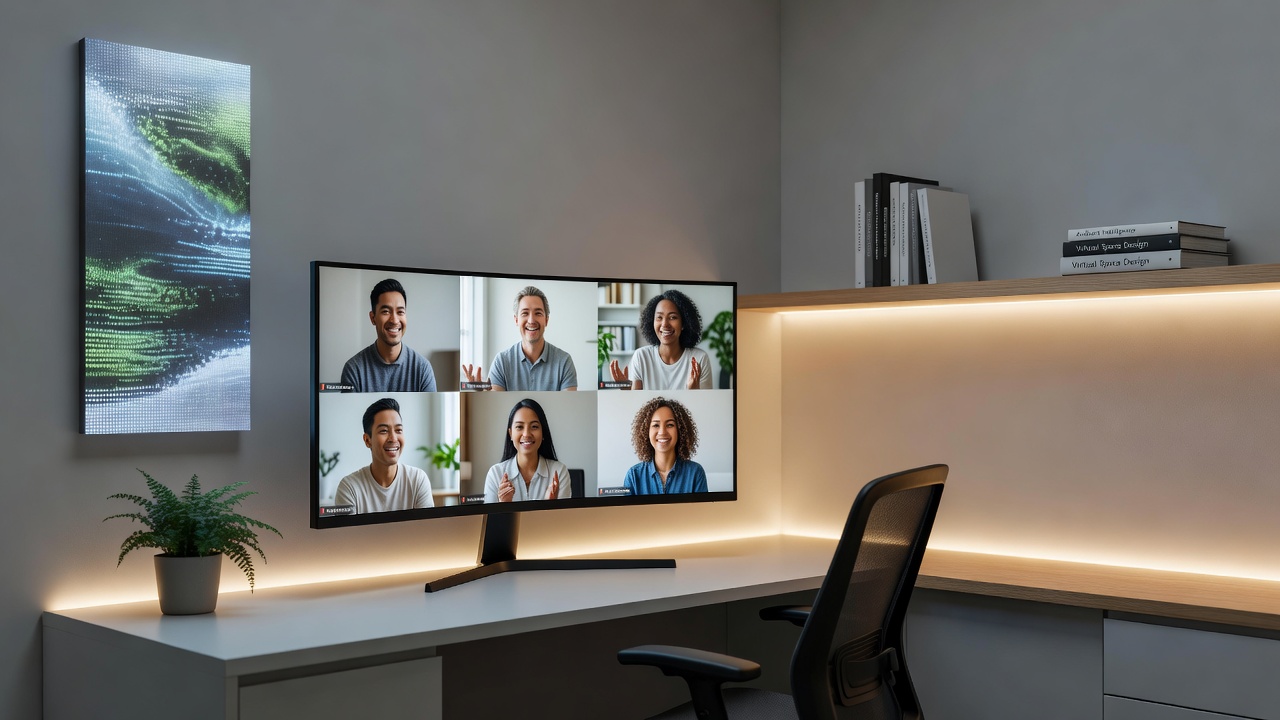
In September 2026 a collaborative report compiled by teams at the University of Toronto and the University of Sydney examined over four thousand secluded sessions and found that environments incorporating both adjusted lighting and consistent background elements recorded twenty-three percent higher average speaking time per attendee compared to baseline setups, the study tracked metrics through platform analytics and cross-referenced them with self-reported comfort levels collected via anonymous forms.
Additional data from the same project highlighted regional consistencies, groups based in North American and Australian offices showed parallel increases in camera activation rates when spatial audio cues suggested closer proximity, and these outcomes held across different time zones without significant deviation, researchers published the full dataset through academic repositories to allow further analysis by other institutions.
Industry reports from organizations such as the Association for Computing Machinery have corroborated similar correlations in enterprise environments where design templates are standardized, participation logs from multiple companies demonstrated that subtle changes to virtual room acoustics reduced instances of overlapping speech and encouraged sequential turn-taking that improved overall session flow.
Implementation Patterns Across Organizations
Corporate adoption of ambient cue adjustments has accelerated since 2024 as internal teams experiment with preset configurations tailored to meeting types, recurring project updates often use softer lighting schemes while brainstorming sessions incorporate more dynamic sound elements, analytics platforms now offer built-in dashboards that display participation heat maps tied directly to design variables so administrators can refine settings based on observed results.
Educational institutions have applied comparable approaches in virtual seminar rooms where student contribution rates serve as key performance indicators, trials conducted at several European universities documented improved discussion balance when ambient cues remained stable throughout a semester, and these adjustments required minimal technical overhead beyond initial template selection.
Conclusion
Ambient design cues continue to demonstrate clear associations with participation levels in secluded virtual meeting environments as ongoing studies refine understanding of specific visual and auditory variables, data from 2026 underscores the value of consistent application across different user groups and meeting formats while highlighting opportunities for further targeted research in diverse geographic and organizational settings.